Scope
Tools
Year
Timeline
( SERVICE DESIGN ) • 8 mins read
OVERVIEW
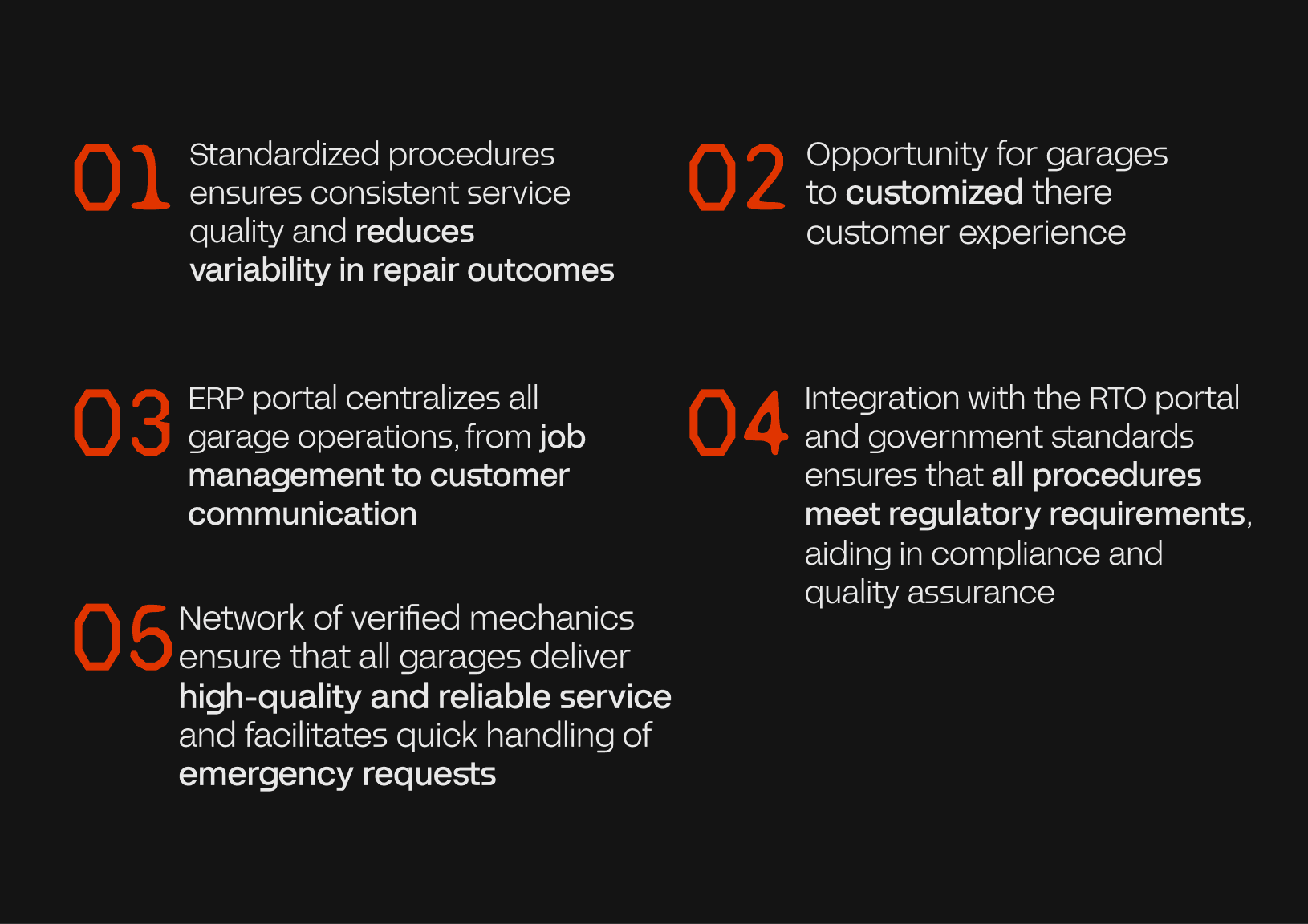
Chakra is an ERP for standalone mechanics to become an authorized service provider and benefit from an ecosystem that reaches everyone, everywhere. Keeping data and customer at the core of this service, we’ve created an eco-system of benefits that help ease the tensed fore-heads of your customers, and yours too!
Skip to Solution
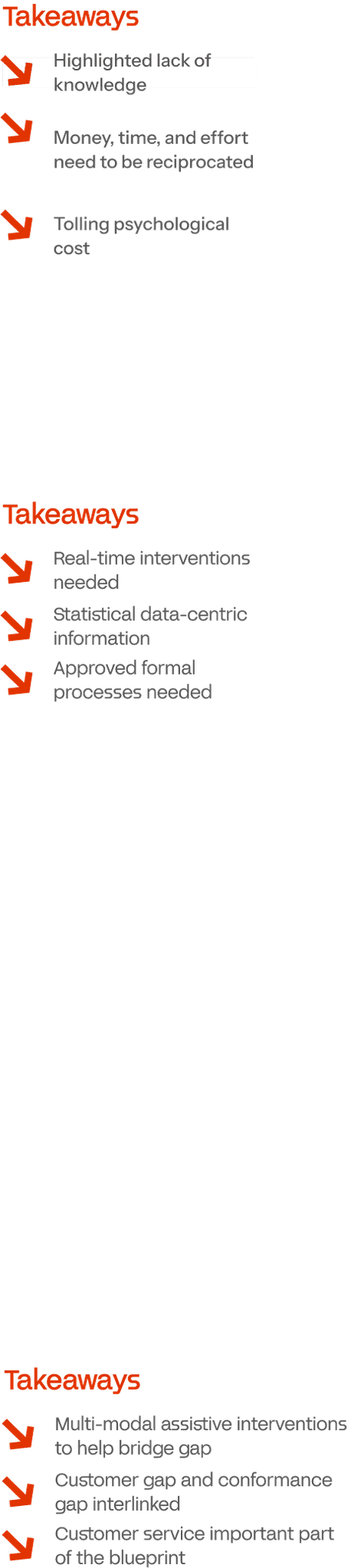
Mechanics have an existing mind-set to figure out what’s wrong, independently or through a network but their interactions with their customers are disturbed by a barrier of time, space and knowledge that causes a tension of un-surety and hesitance in customers
MY ROLE
I collaborated with my team on in-depth research and user testing, extracting valuable insights to refine our solution. I spearheaded branding efforts, crafted a comprehensive research booklet, and designed a solution storyboard to effectively communicate about the ecosystem and its benefits.
MY APPROACH
Bridging the gap between hyper-local mechanics and regular car-owners that took a lot of effort.


WHY GARAGES?
Grounded in their unique role in providing accessible, community-based repair services, auto-repair garages often have a more personalized connection with customers compared to larger chains of OEM service-stations. Therefore, fostering this deeply-rooted essence of human connection and materializing the same in a service-scape of tomorrow was a challenge we took upon ourselves.
WHO ARE WE TALKING ABOUT?
Hyper local mechanic set-ups are the heart of automotive services in a dominant middle class country where car owners, who see their vehicles as investments, are extremely tight on budget allocations and can’t really afford servicing in OEM service-stations.

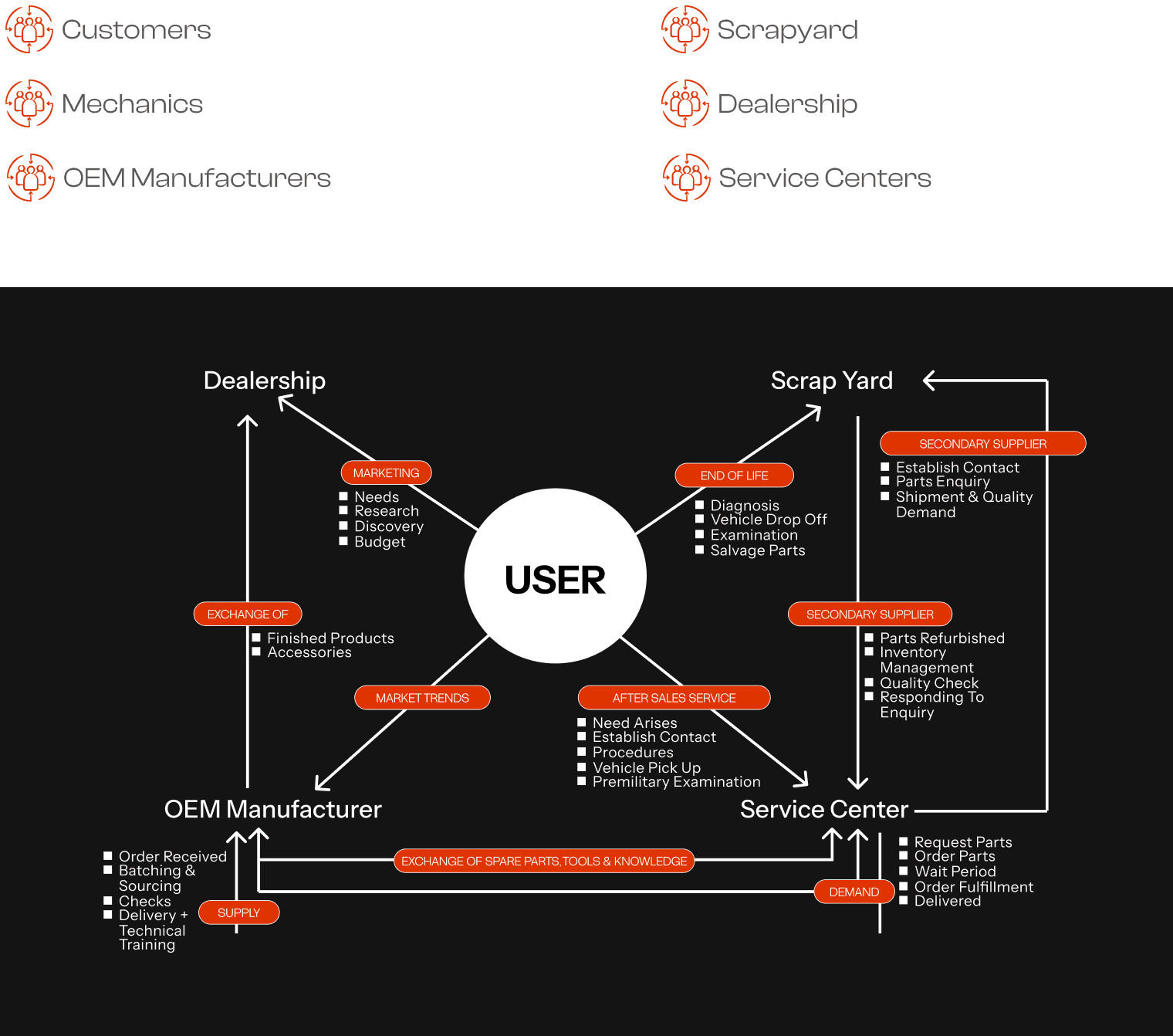
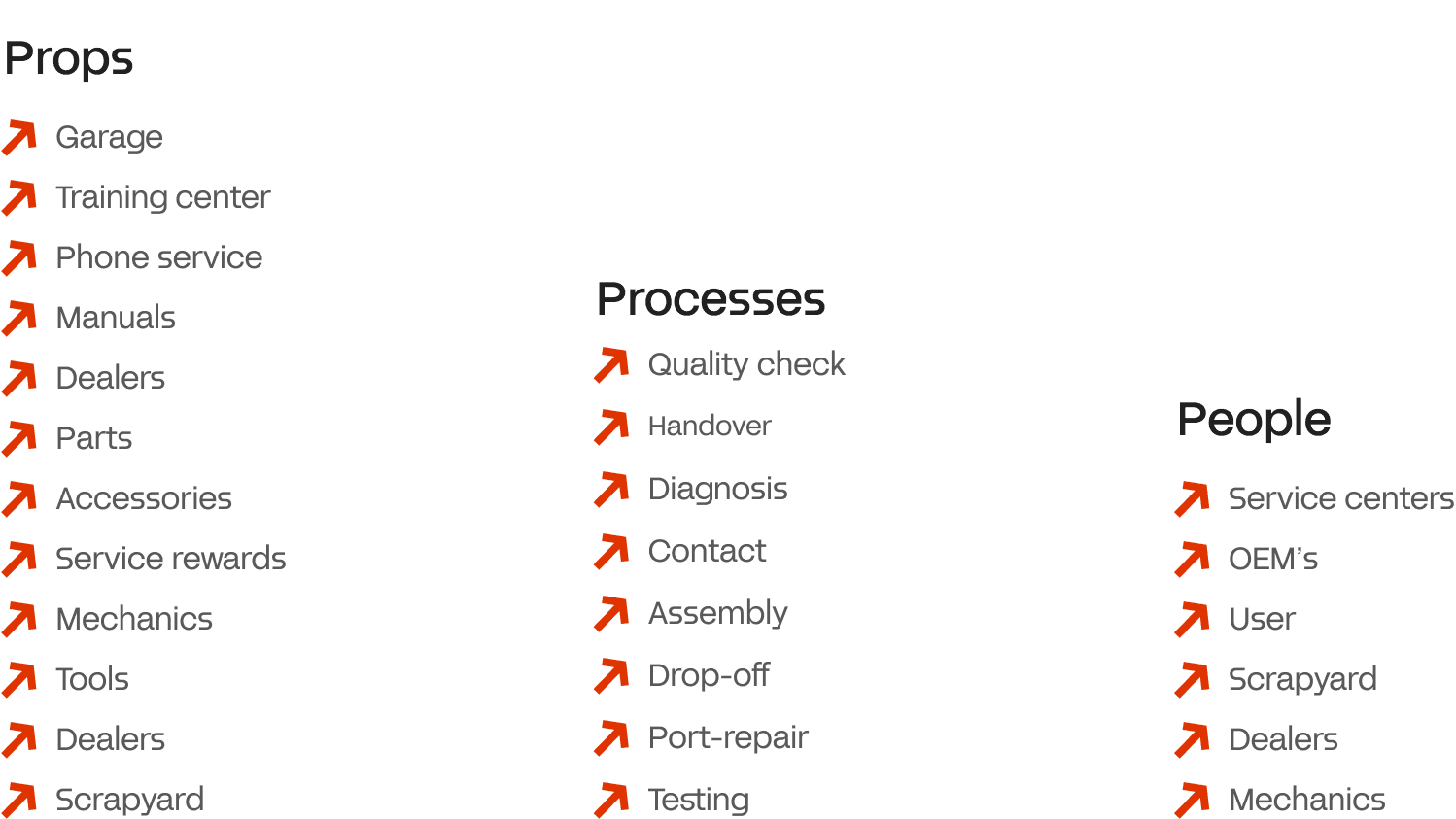
STAKEHOLDERS
(Stakeholder mapping)

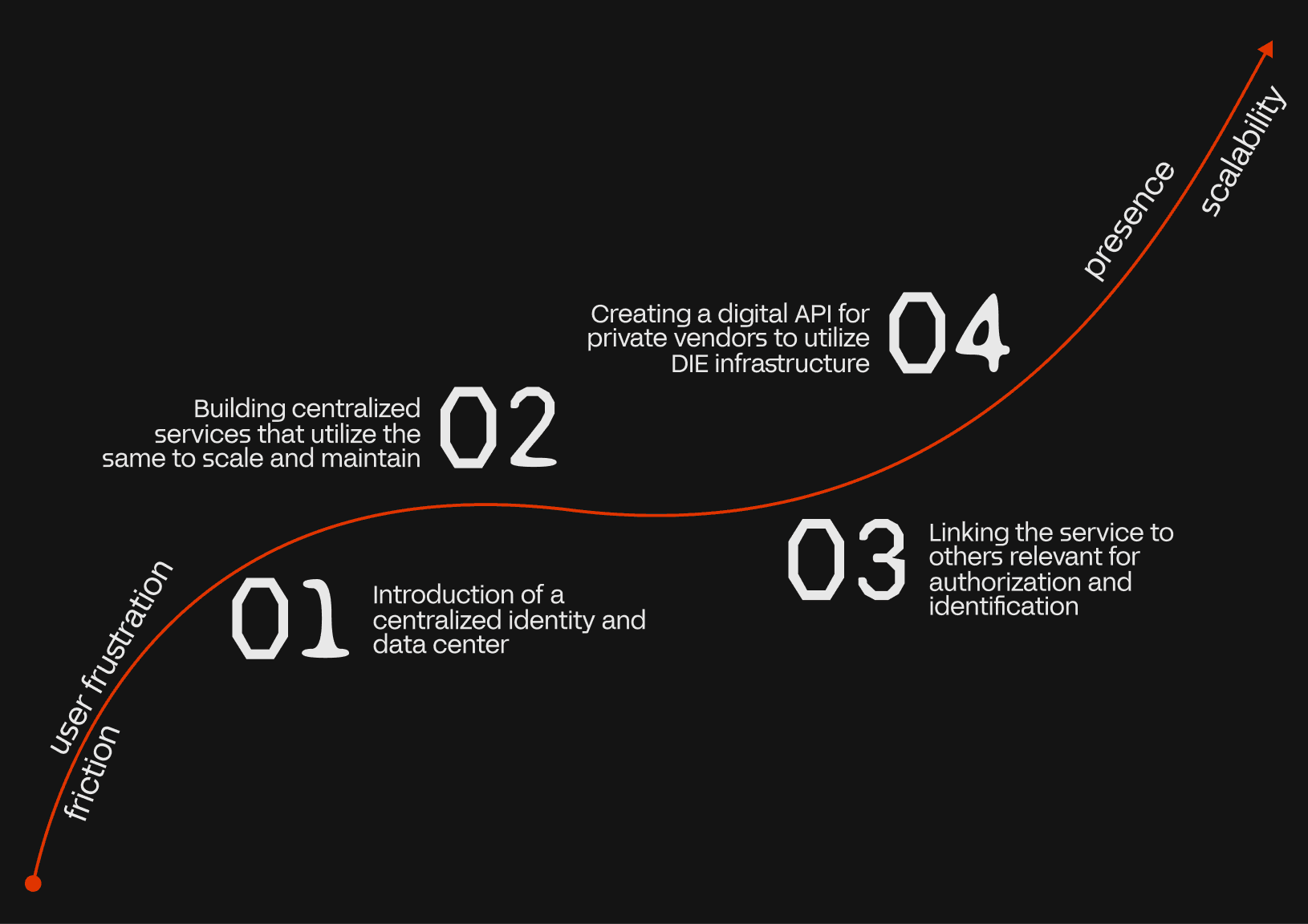

DIGITAL APPROACH


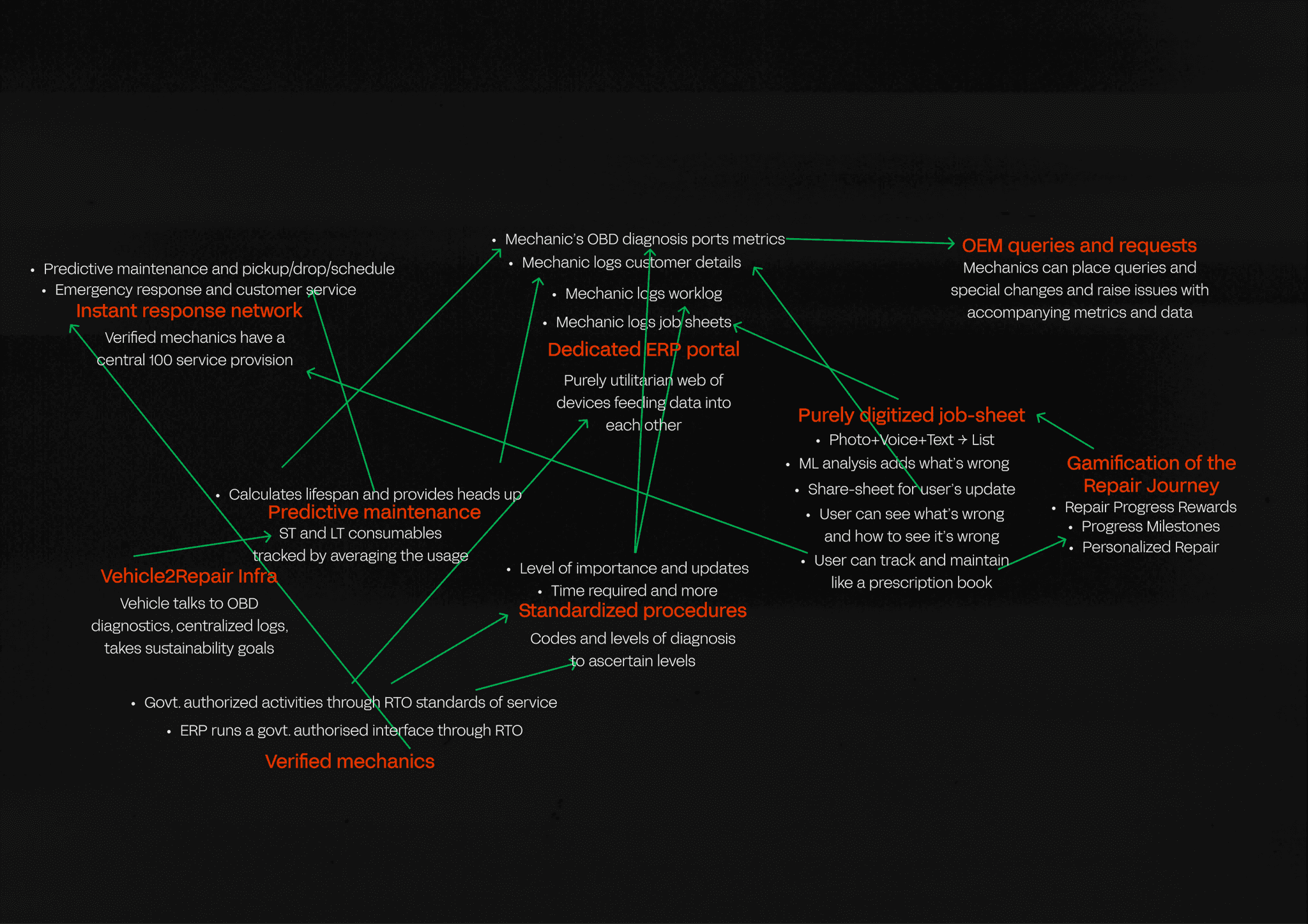
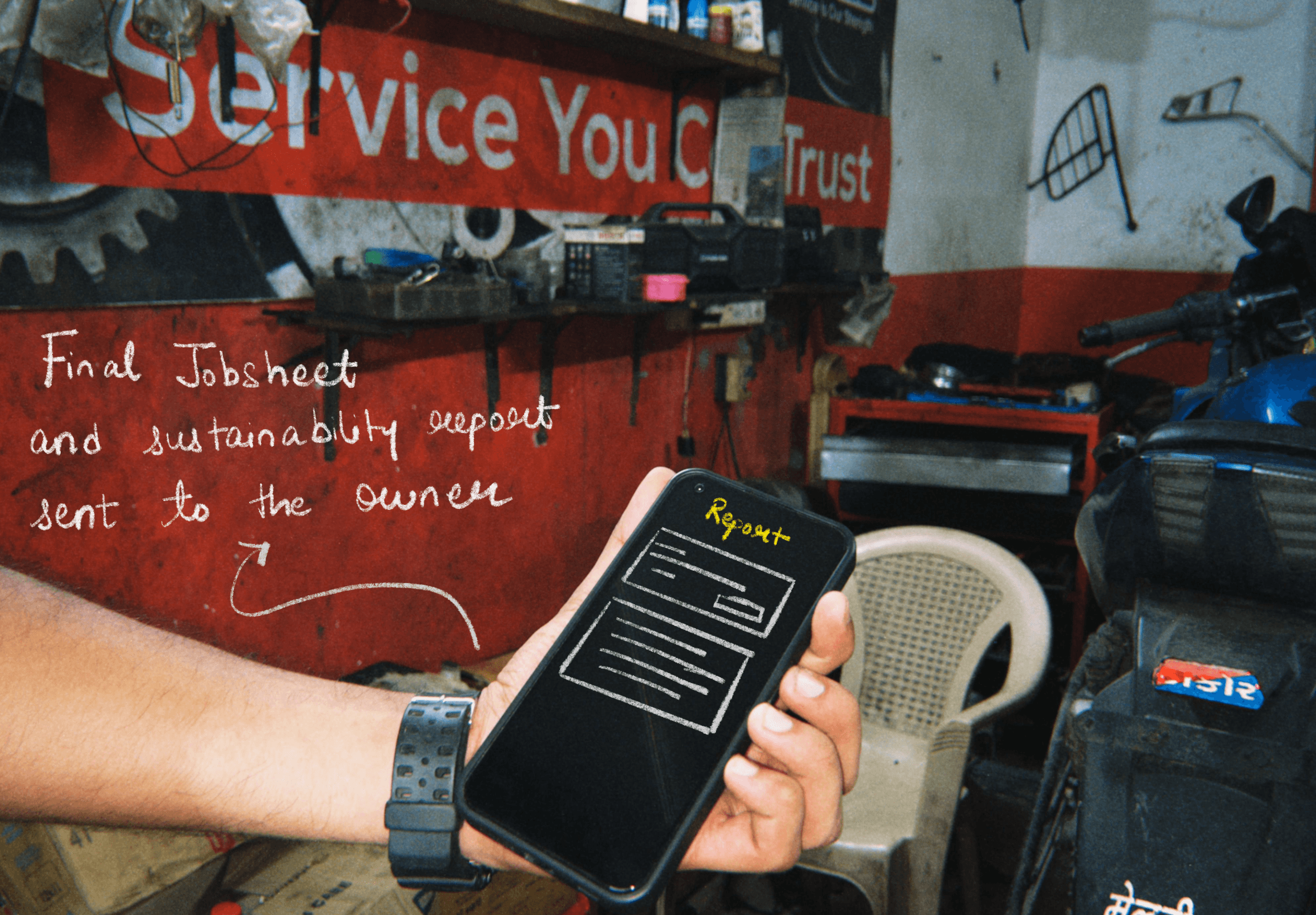
V2R HANDSOFF

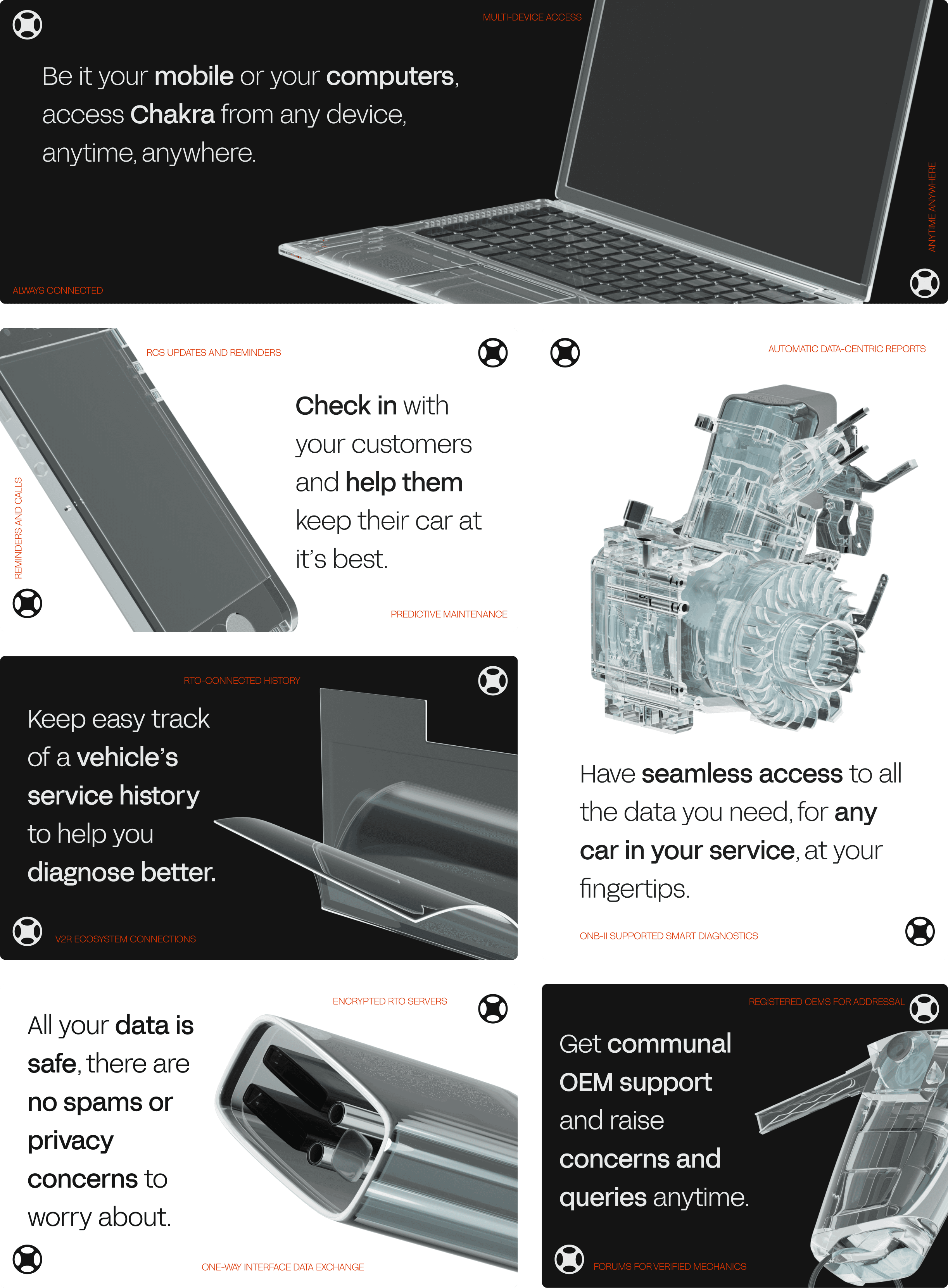


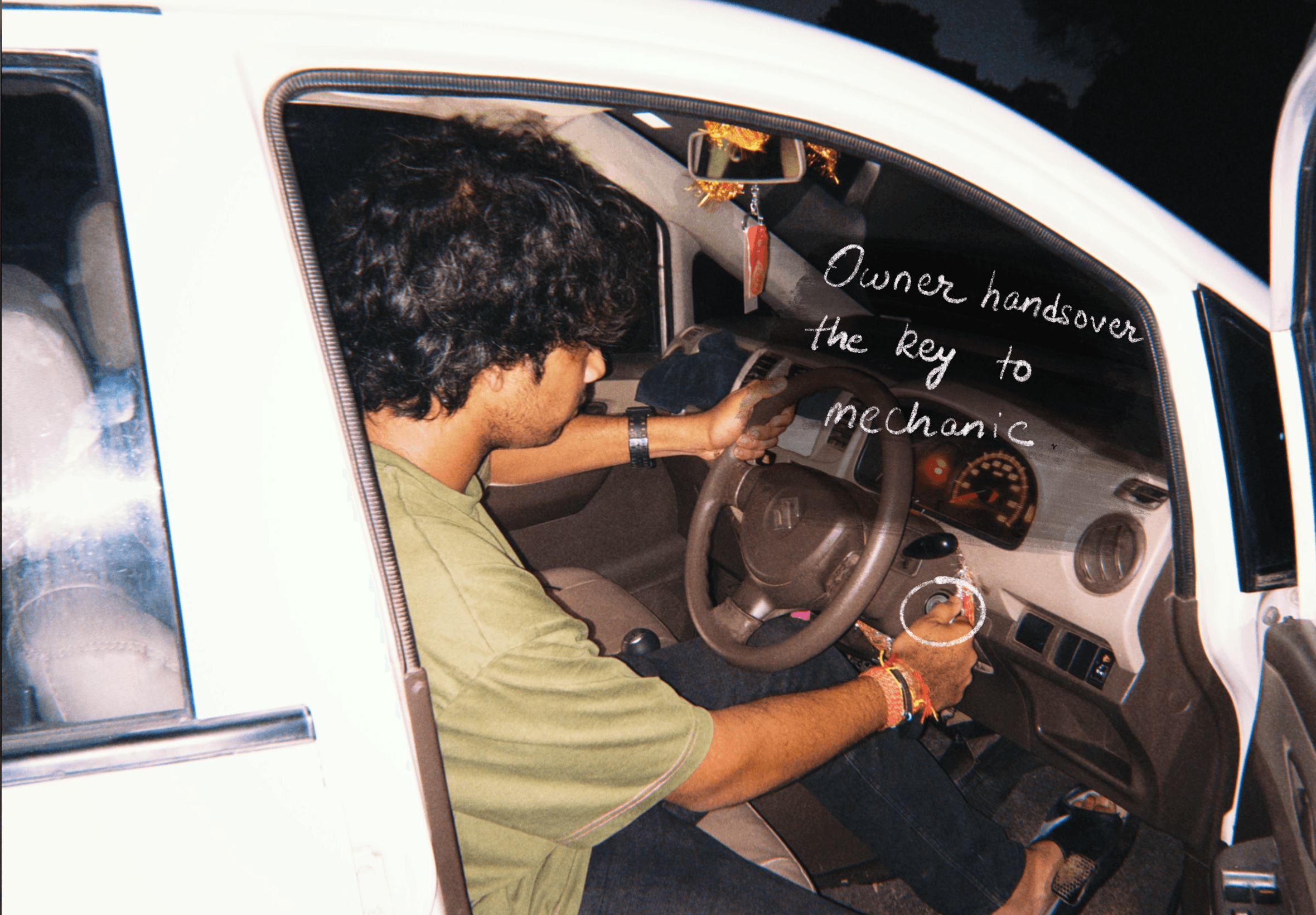
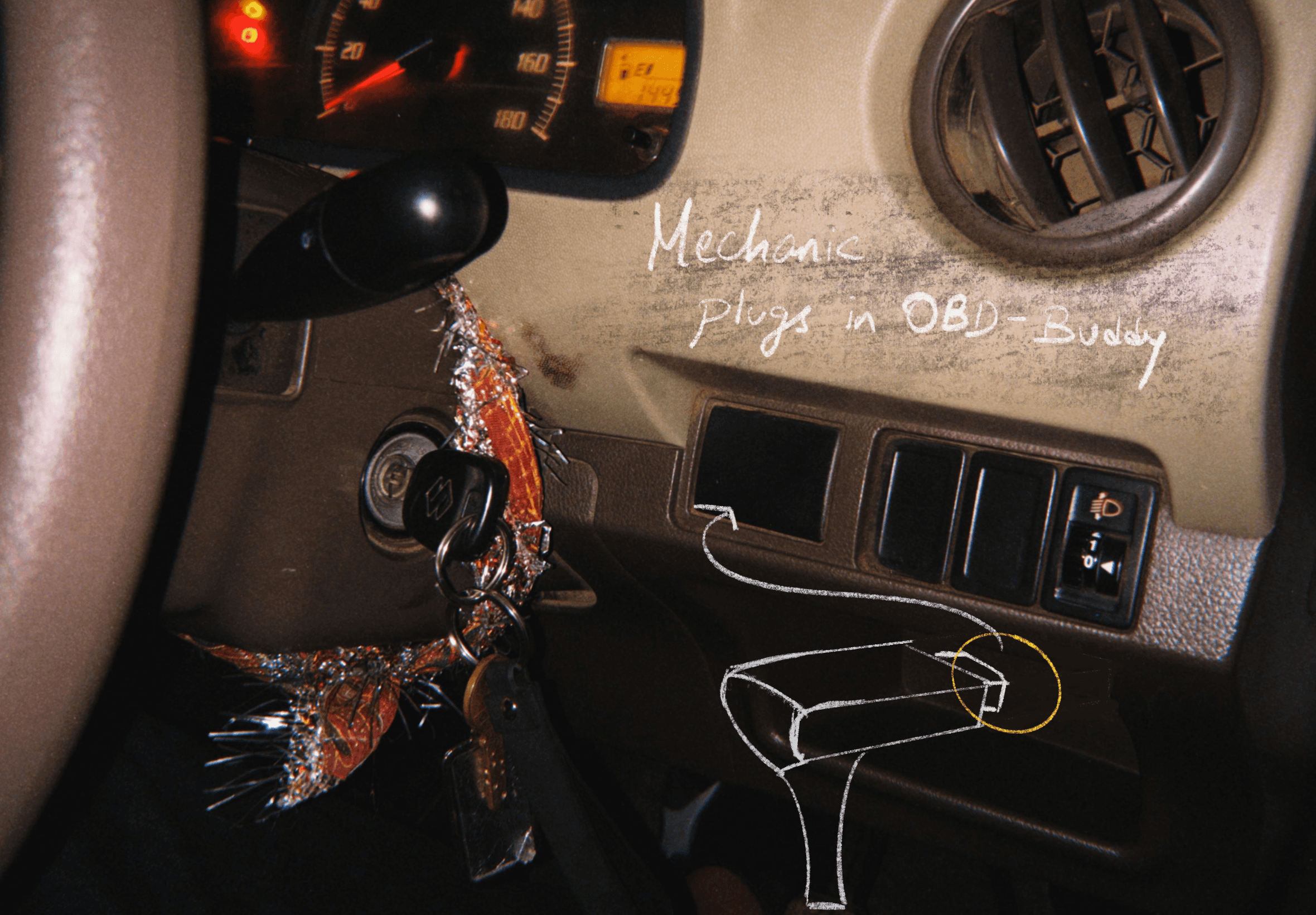
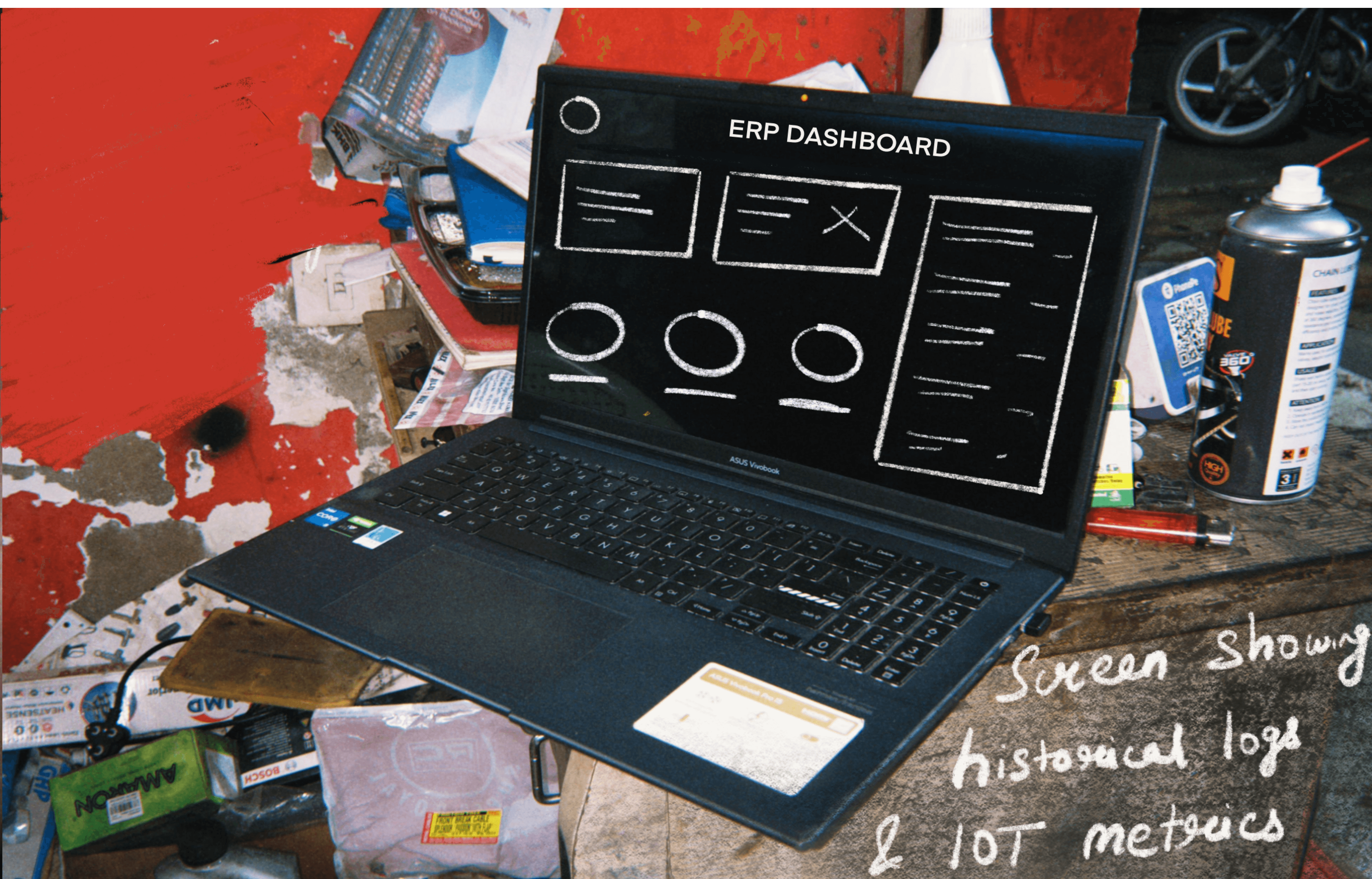
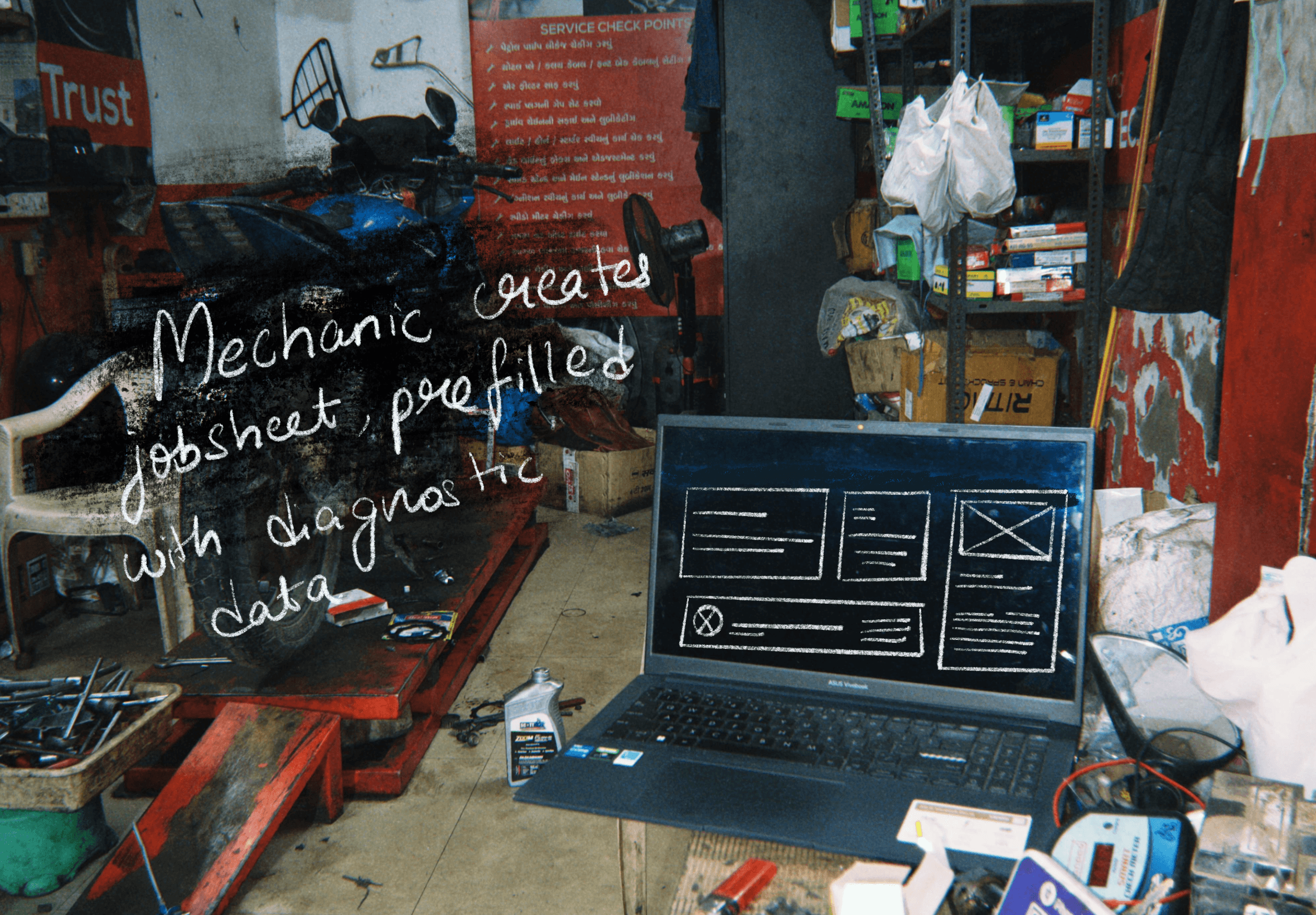
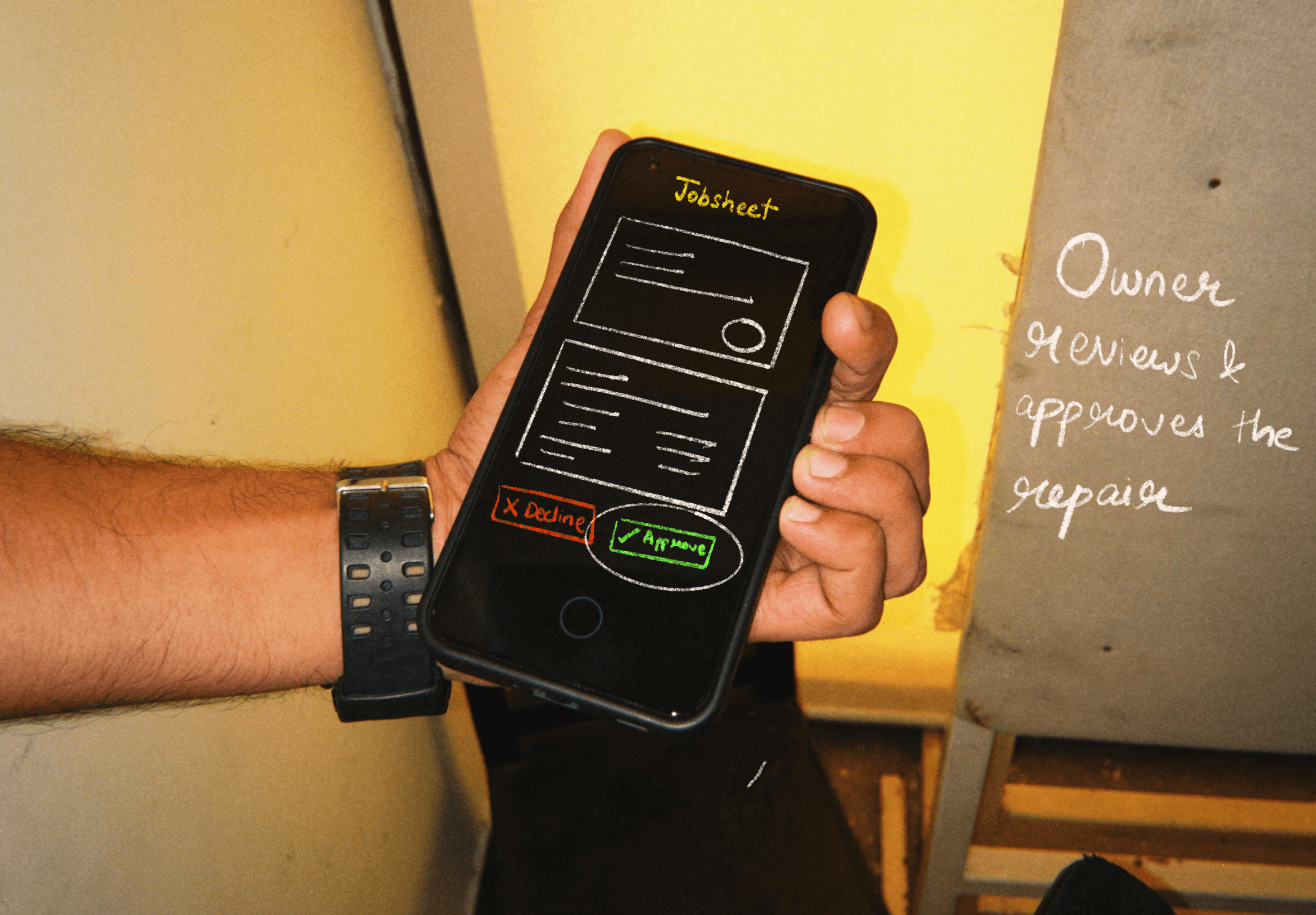
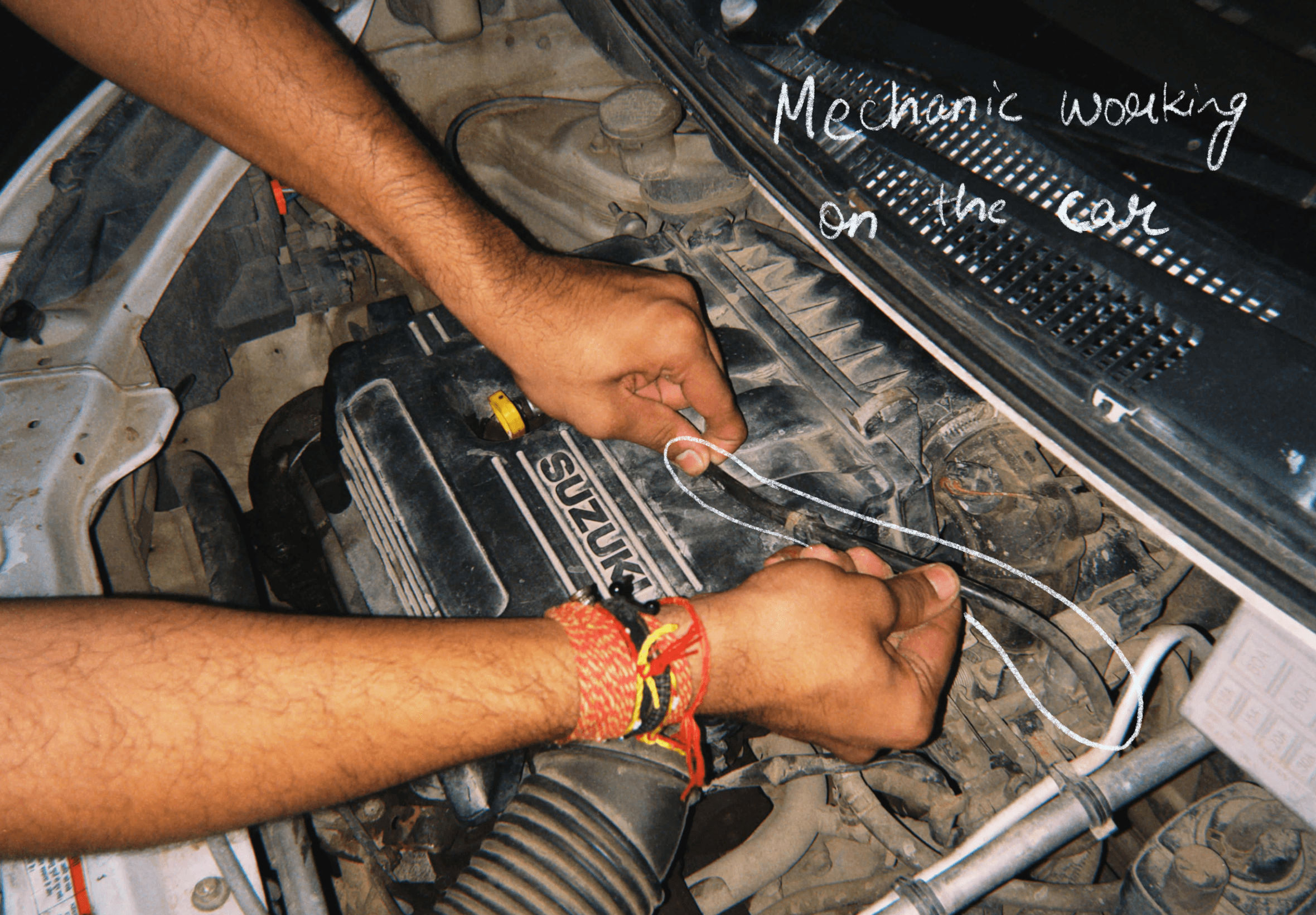
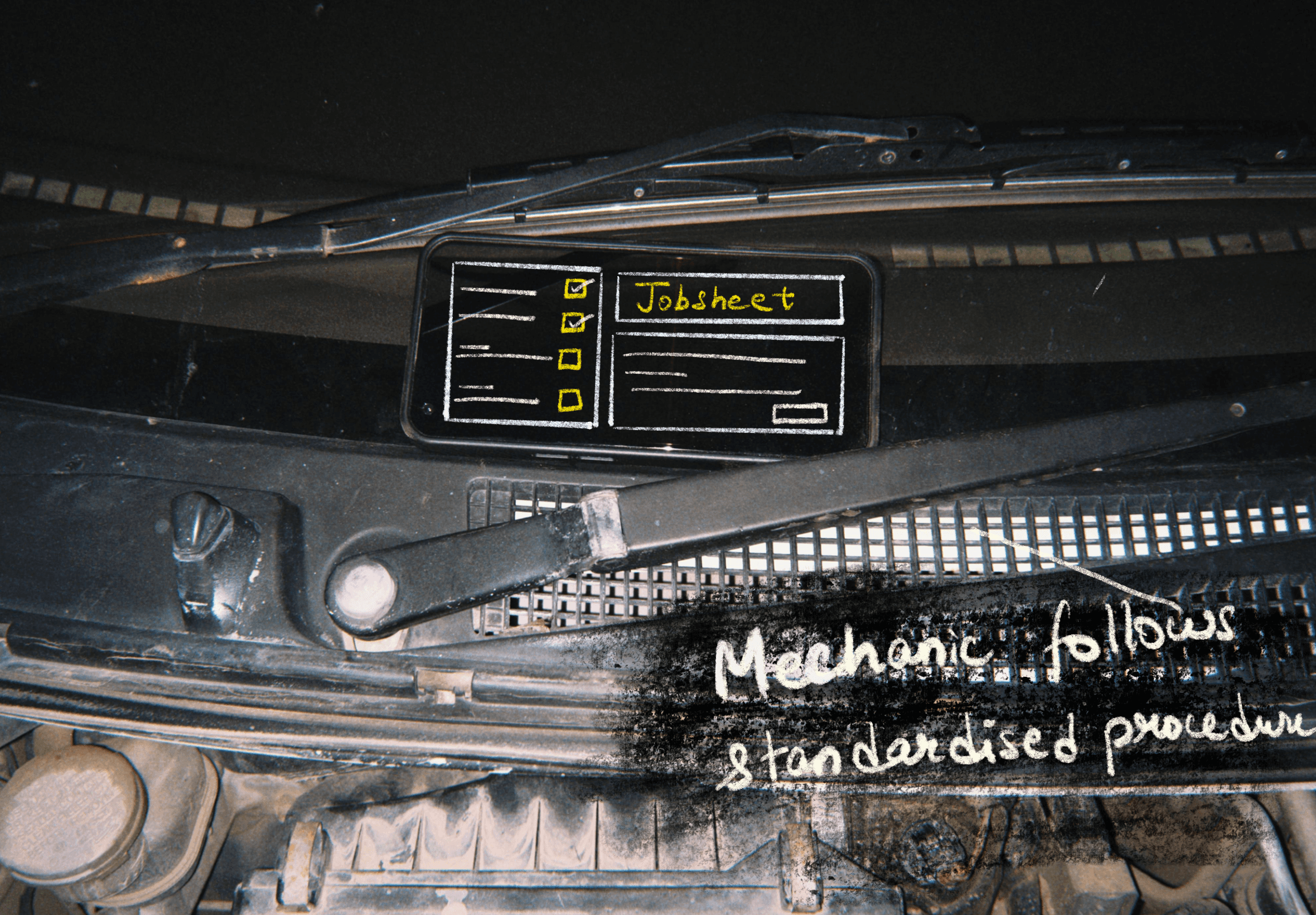
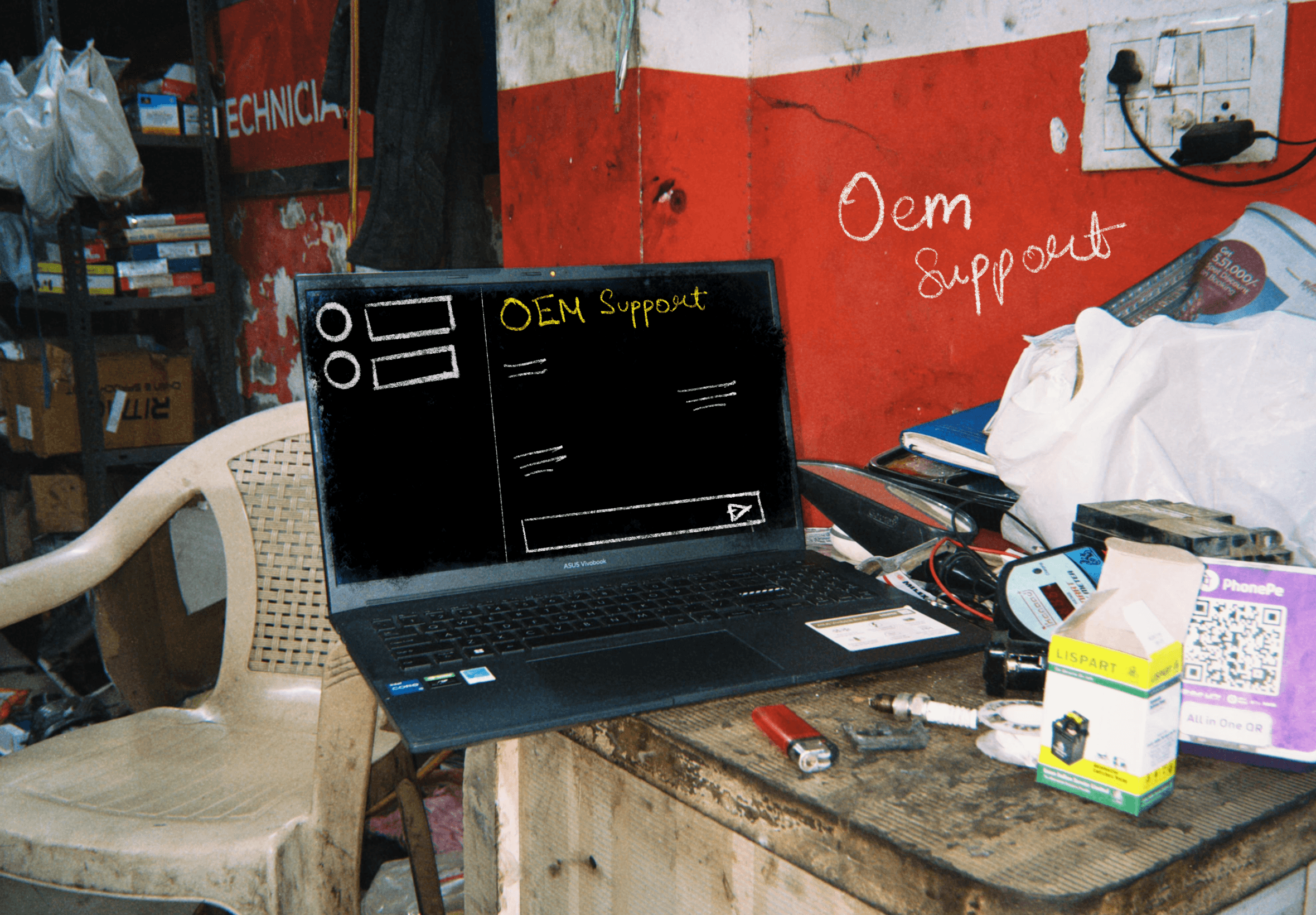
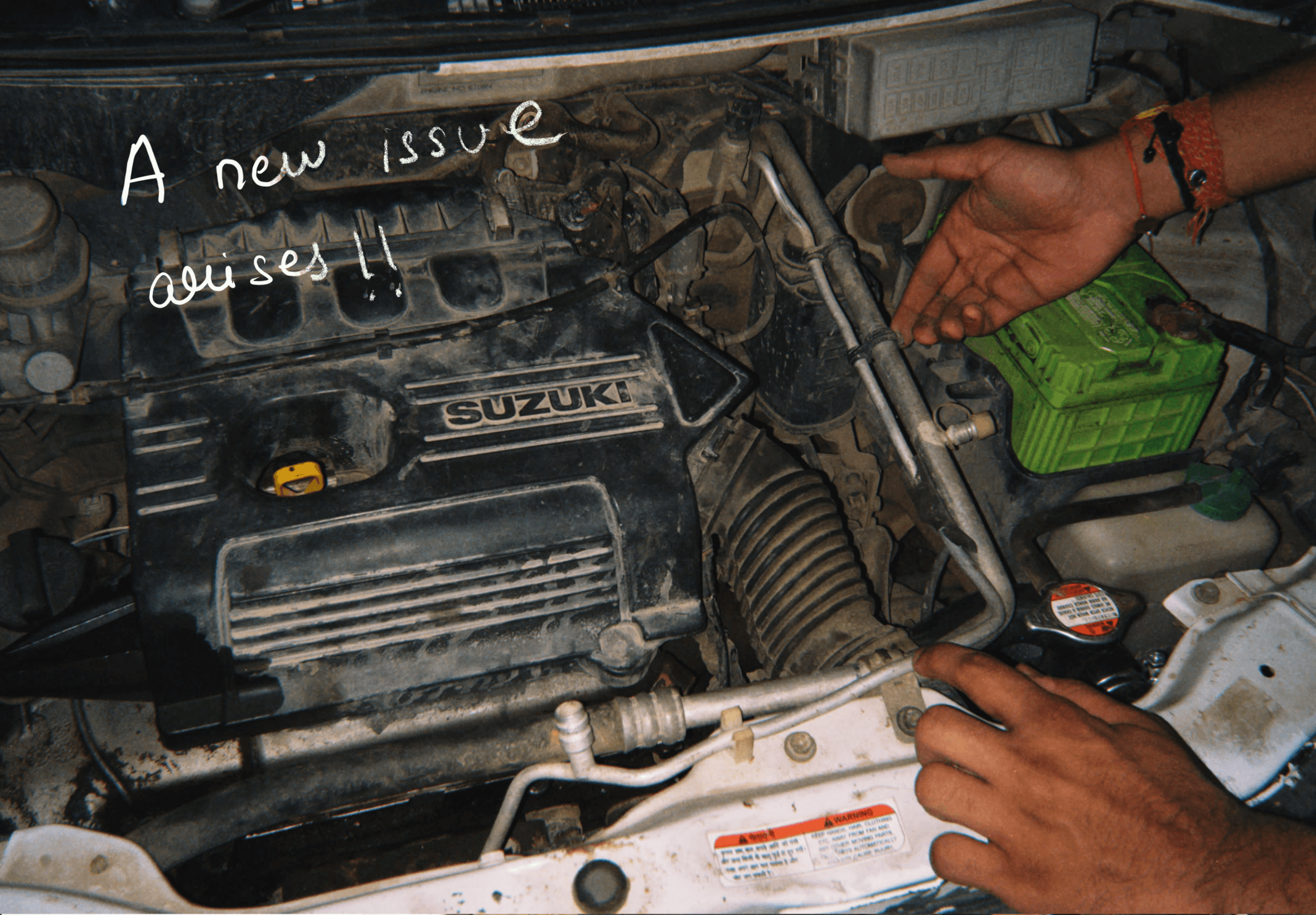
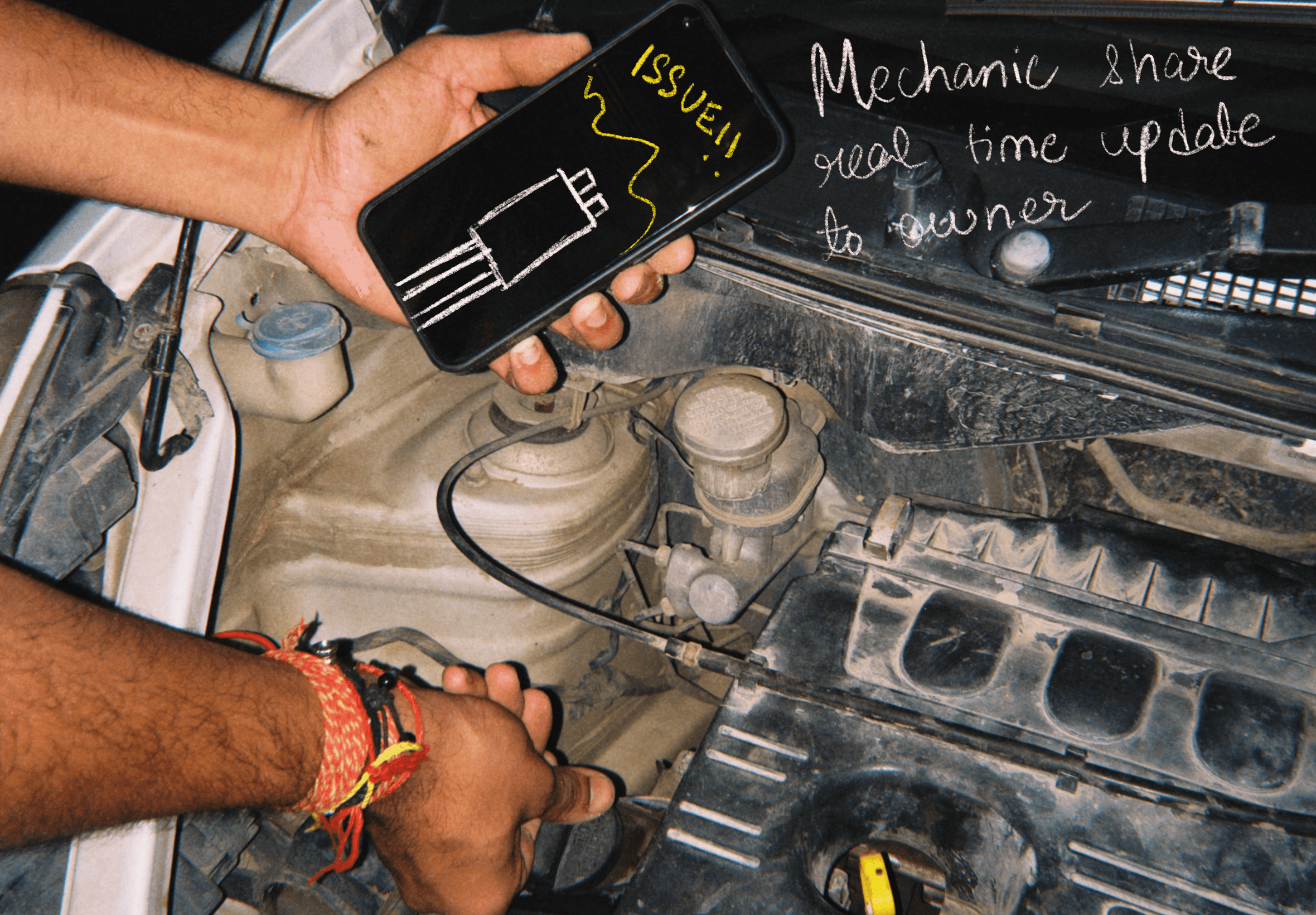
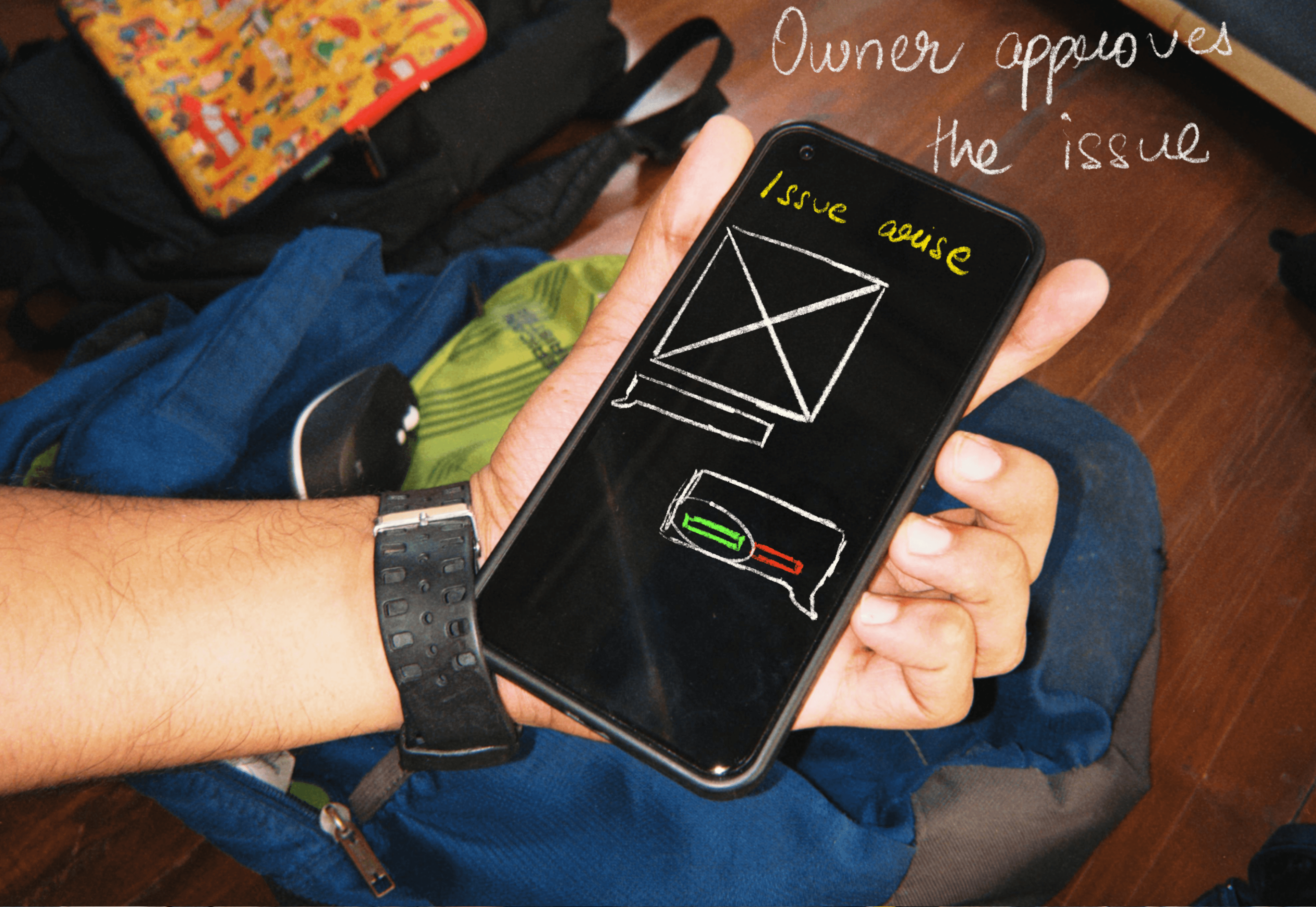
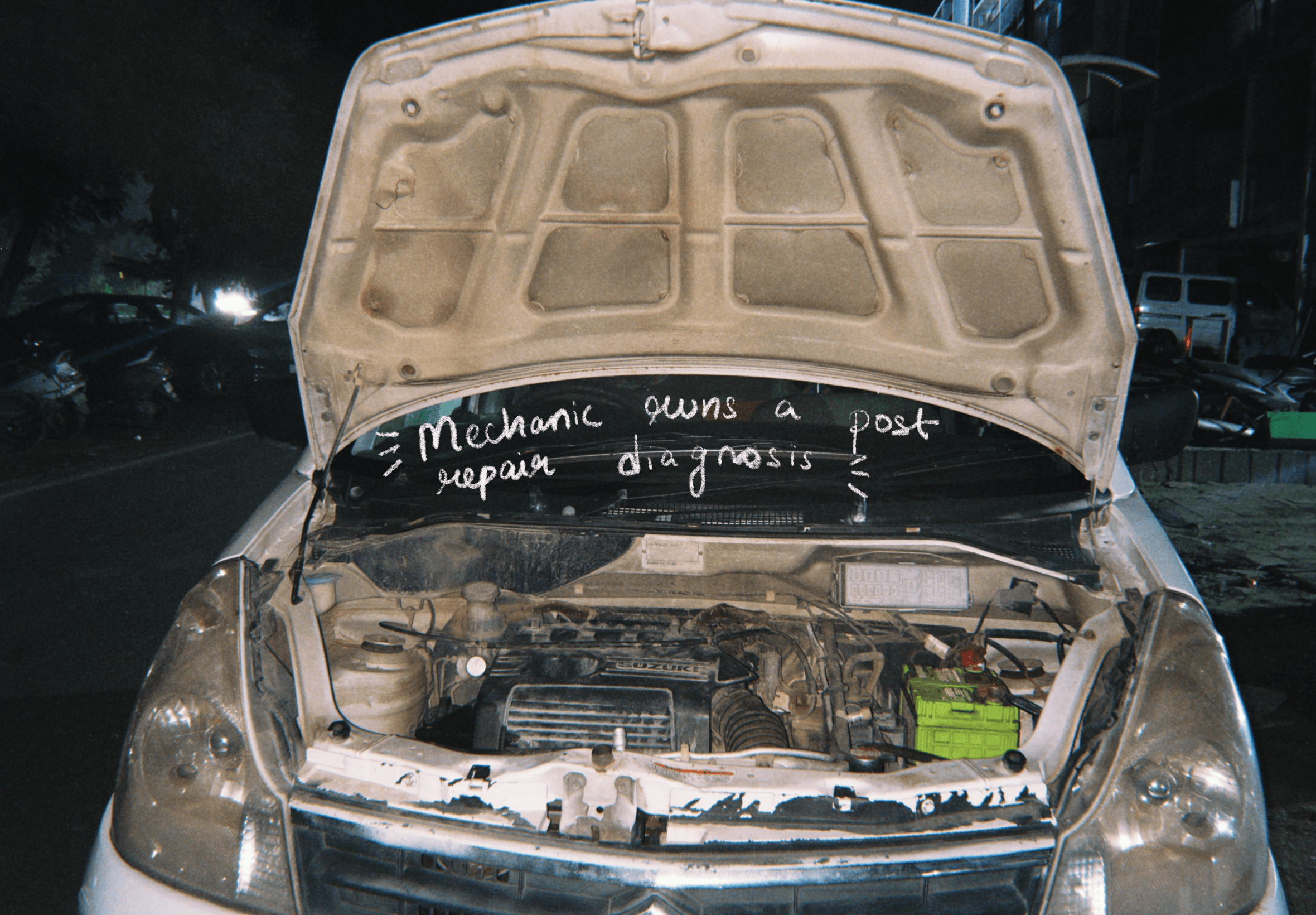

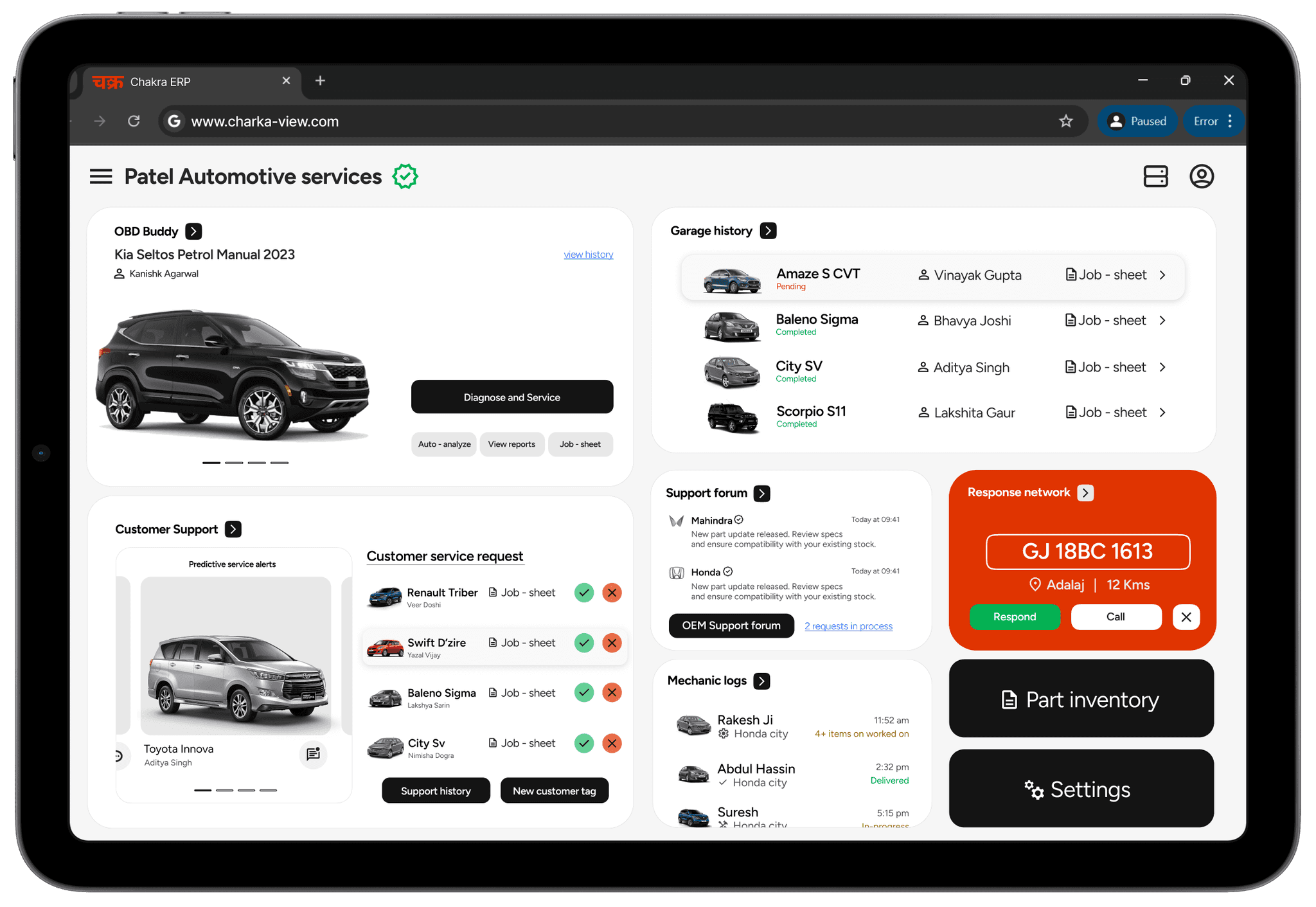
ERP SYSTEM LANDING PAGE


RCS MESSAGE ON ANY AND ALL MOBILE DEVICES

MECHANIC ERP DASHBOARD
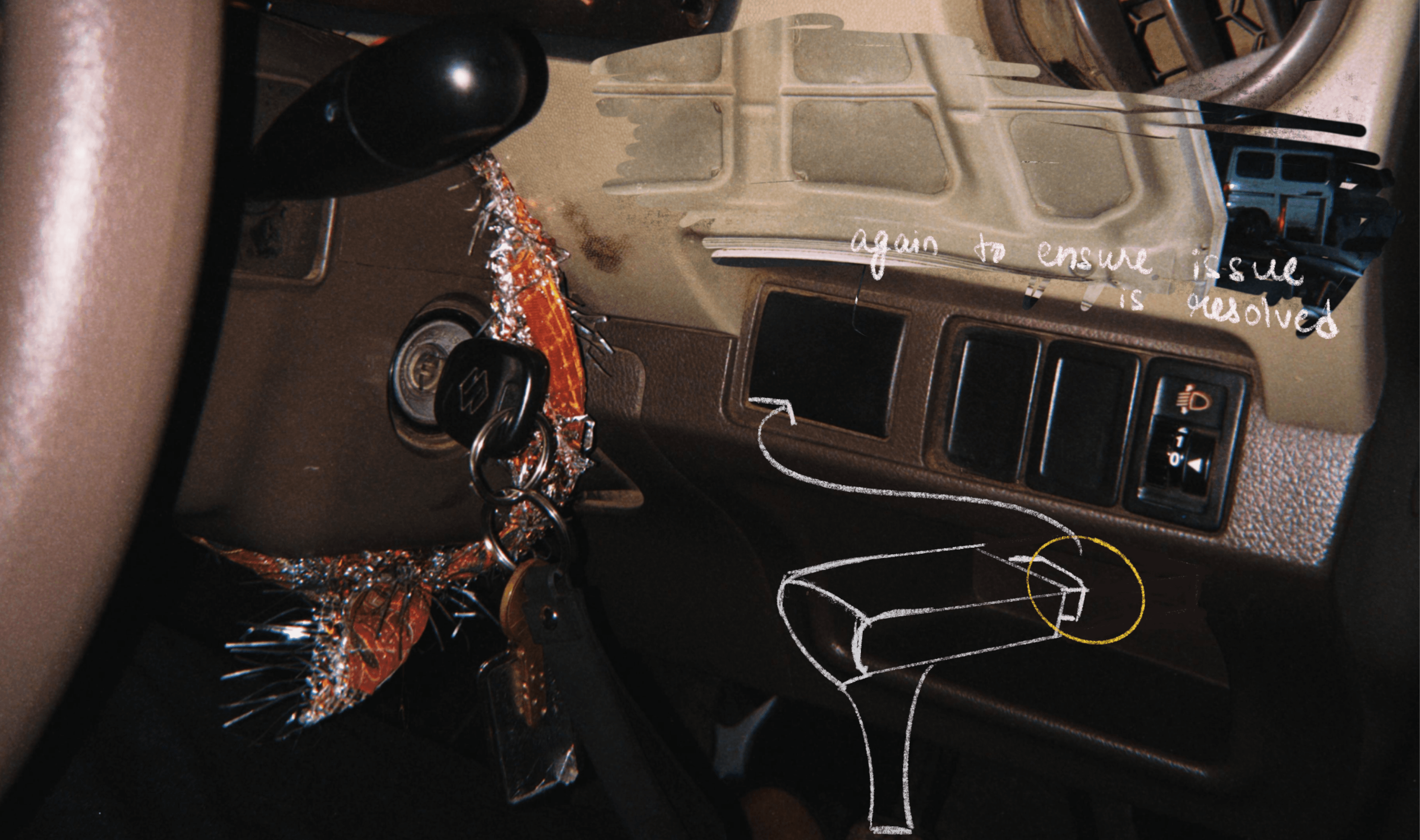
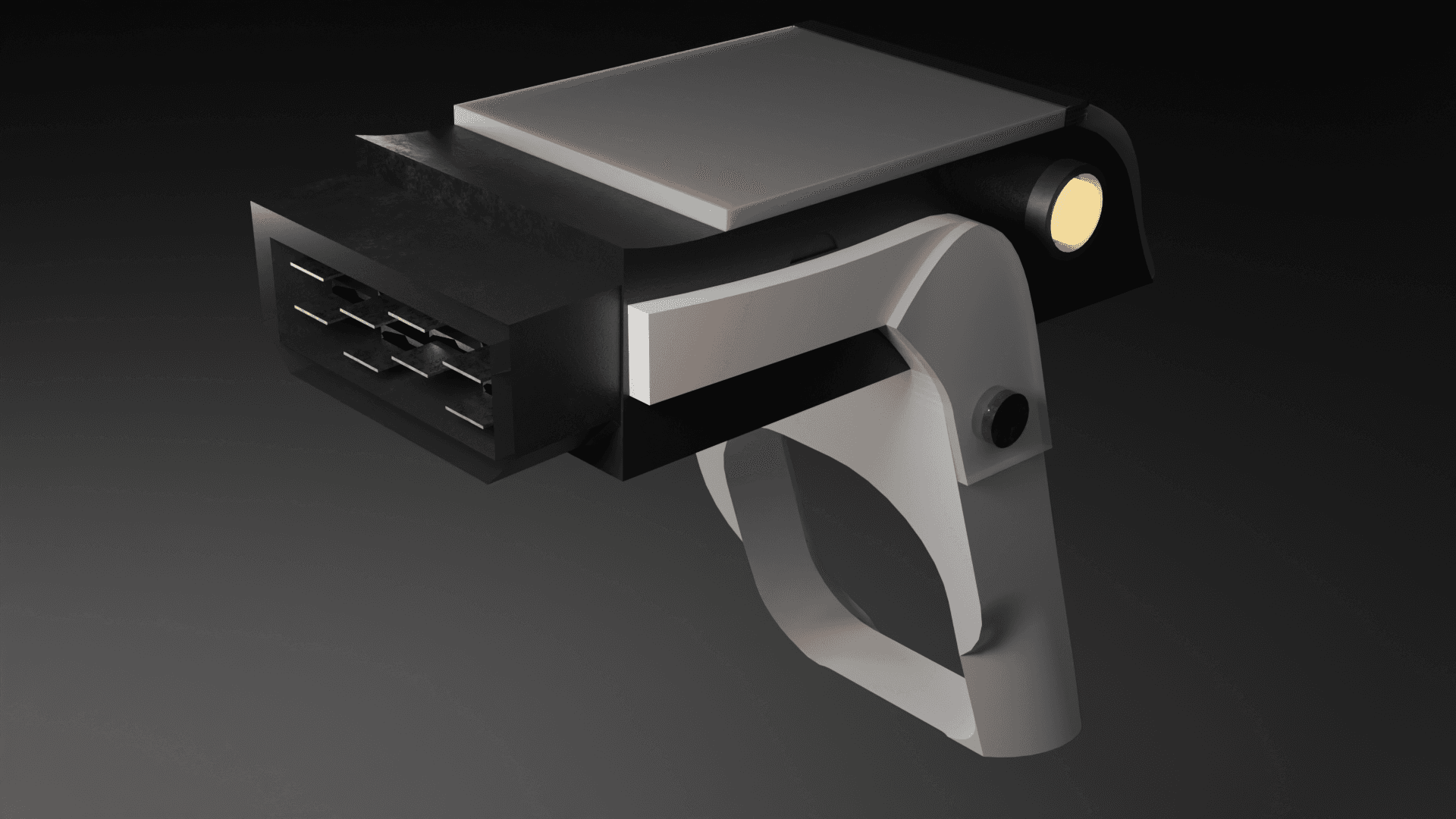
OBD-II DEVICE
TESTING & VALIDATION
To ensure our digital automotive ecosystem effectively addresses the setbacks faced by car owners and mechanics, we conducted rigorous hypothesis testing using multiple methods:

01
Speedboat Method

02
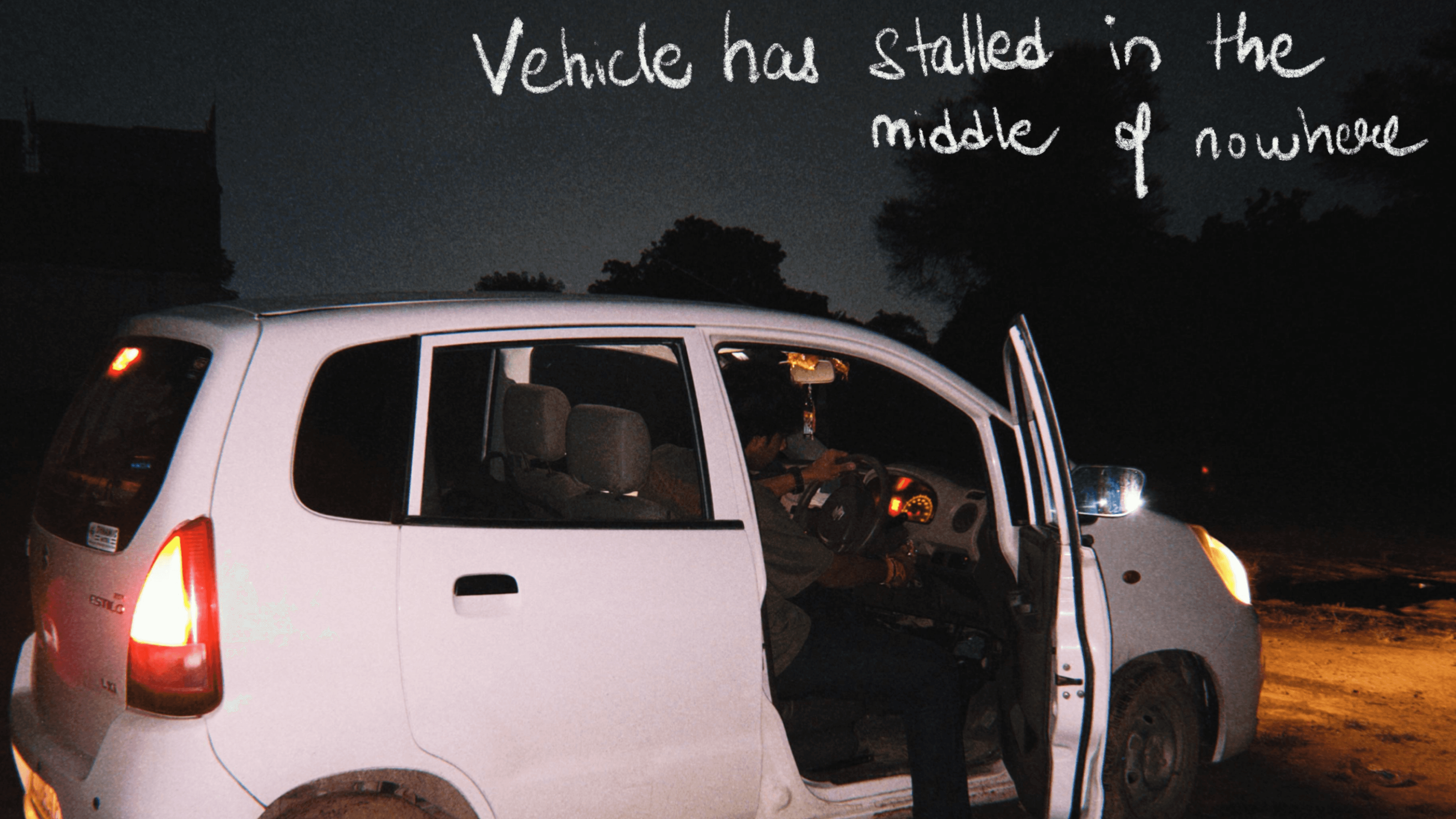
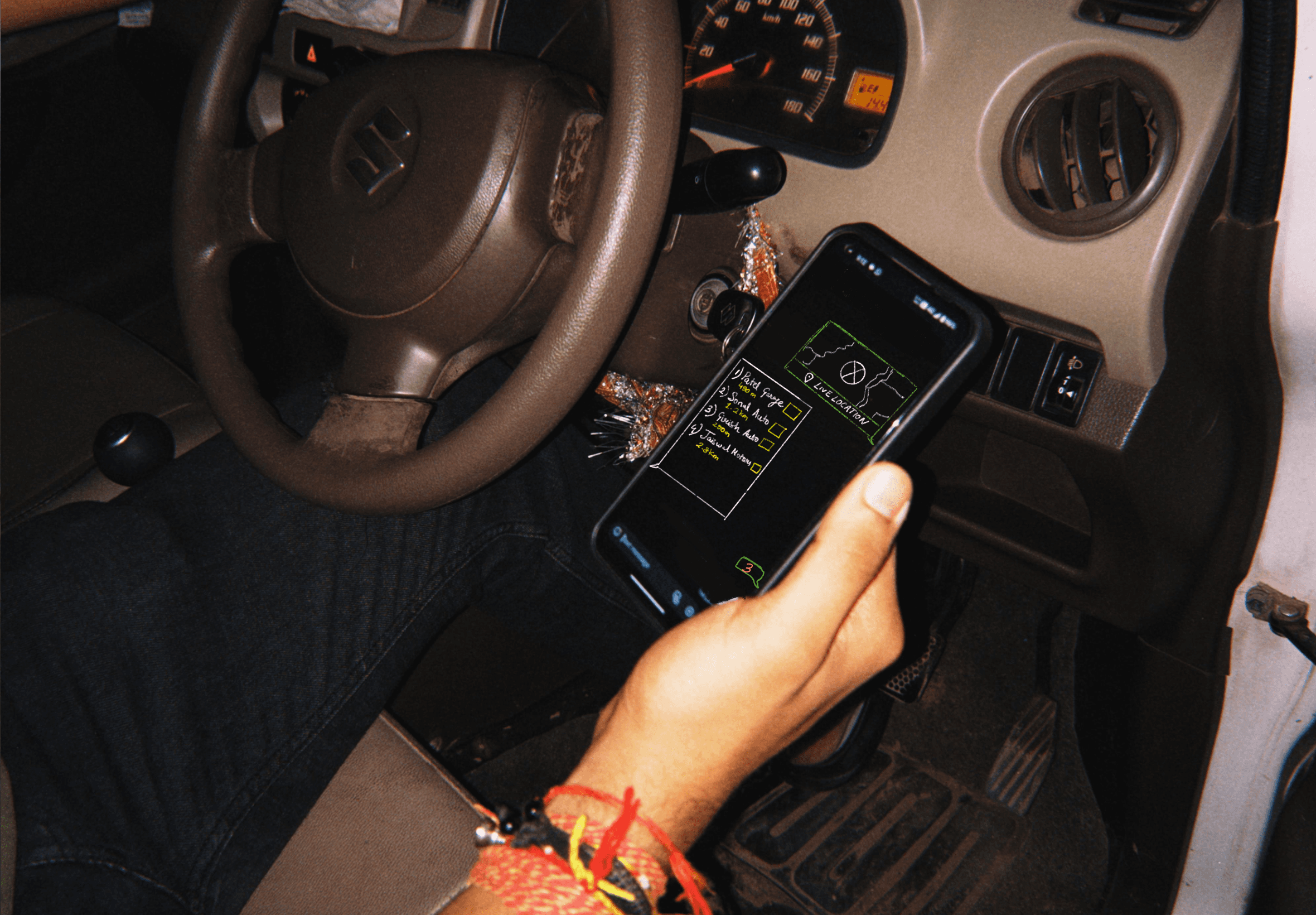
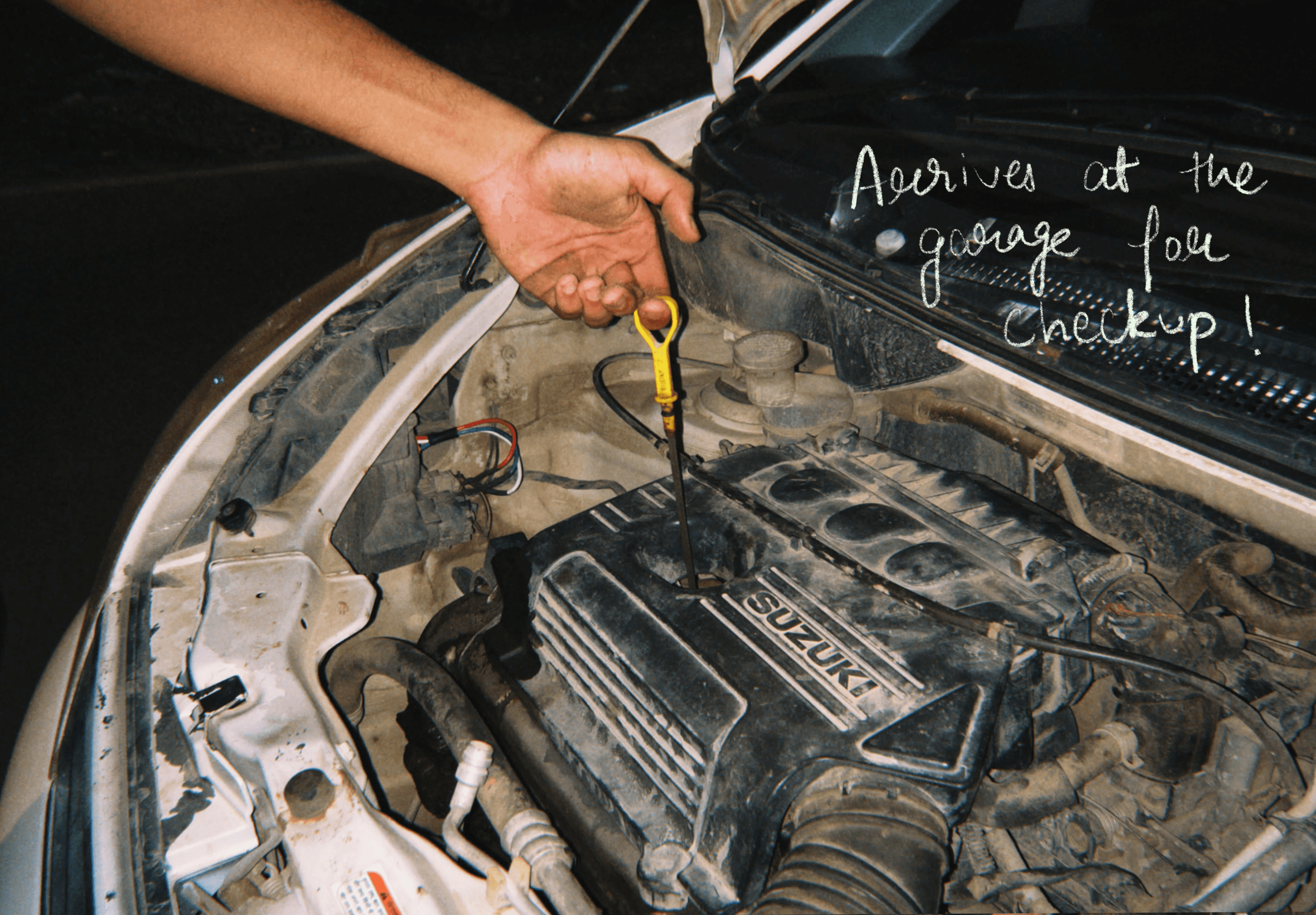
Storyboarding

03
Buy a Feature
The best design is the one that makes people go “I could have made that, that’s so simple!?”
This project was a wild ride through service ecosystems, user struggles, and the chaos of the auto industry. Balancing efficiency with user-friendly solutions was like tuning a race car – precision matters!
The biggest roadblock? Getting every stakeholder on the same page without hitting a speed bump. But with iterative testing, real feedback, and a bit of creative grease, we fine-tuned the system to run like a dream.
Lesson learned: Great service design is all about adaptability – and a little fun!